Here is a structured overview of these innovative educational resources, blending digital collaboration with immersive geography and reality technologies.
Virtual Exchanges
These are technology-enabled, sustained, people-to-people education programs that allow students to interact with peers from different cultures and geographic locations. By integrating these exchanges into the curriculum (often called COIL), students foster intercultural competence and digital literacy through shared projects without the need for physical travel.
Recommended Books:
The Guide to COIL Virtual Exchange (Jon Rubin & Sarah Guthrie): The definitive practical manual for educators.
Virtual Exchange: Towards Digital Equity in Internationalisation (Robert O’Dowd): A deep dive into how these programs promote inclusivity in global education.
Recommended Videos:
“What is Virtual Exchange?” (Stevens Initiative): A concise overview of the human impact of connecting classrooms internationally.
“COIL Basics with the perspective of students and professors” (SUNY COIL Center): Real-world testimonials on the methodology.
Educational Maps
Interactive and layered digital tools designed to help students visualize spatial data, historical changes, and complex geographical relationships. Using Geographic Information Systems (GIS), students can analyze patterns in urbanization, climate change, or social history, transforming them from passive observers into active spatial investigators.
Recommended Books:
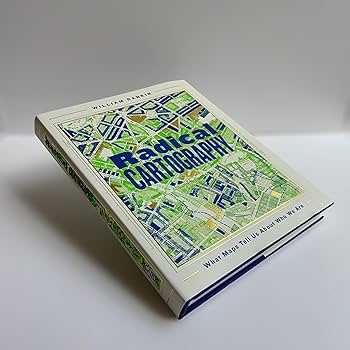
Ra
Radical Cartography, How Changing Our Maps Can Change Our World.
By William Rankin
Introduction to Geographic Information Systems (Kang-tsung Chang): The standard academic text for understanding the science of modern mapping.
Recommended Videos:
“The Power of Maps” (Esri): An inspiring look at how intelligent maps solve global issues like hunger and climate change.
“Google Earth Engine: Planet-scale data analysis” (Google Earth): A demonstration of using decades of satellite data to monitor environmental changes.
VR/ER Experiences
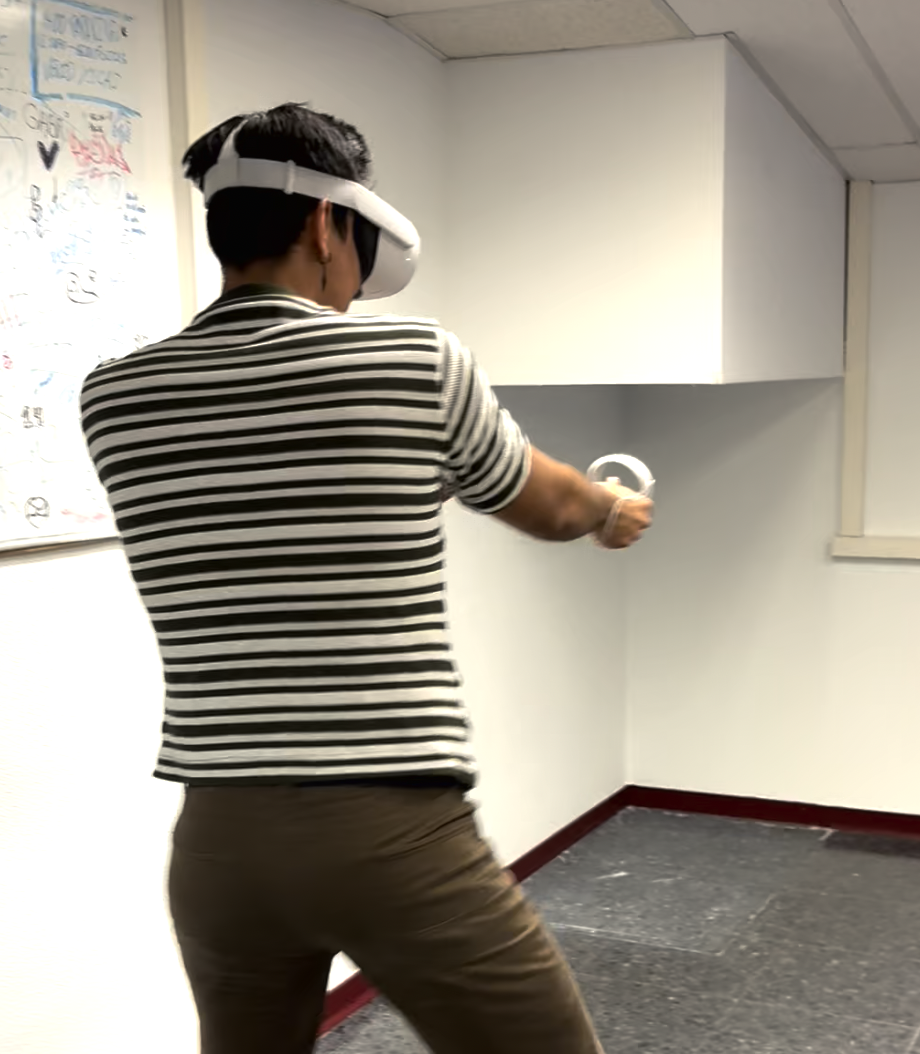
The use of Virtual Reality (VR) and Extended Reality (ER) to create simulated environments for skill practice or exploration of inaccessible locations. These technologies trigger “presence,” a psychological state that significantly boosts memory retention by allowing students to “experience” history, science, or surgery in a risk-free, immersive setting.
Recommended Books:
Experience on Demand (Jeremy Bailenson): A look into the psychology of VR and its potential for empathy and education.
Virtual Worlds (Metaverses) (European Parliament Briefing): An analysis of the opportunities and challenges of 3D shared educational spaces.
Recommended Videos:
“How VR will Revolutionize Education” (TEDx – Baptiste Grève): A talk on how immersion improves the brain’s ability to learn complex concepts.
“HoloLens, Mixed Reality and Spatial Computing” (Microsoft Research): A technical demonstration of using holograms for advanced medical and engineering studies.